What to Expect During the First 30 Days After a Furnace Installation
Getting a brand new heating system is a relief, but the initial break in period often brings unexpected questions and minor anxieties. Residents in Tolar frequently call the team at Brazos River Air Conditioning LLC just days after a successful furnace installation, concerned about unfamiliar smells or different operating sounds. Knowing what is normal during the first month of operation saves you from unnecessary worry and prevents unneeded service calls.
A modern heating system operates very differently than the outdated unit it replaced. The blower motor is more powerful, the safety tolerances are much tighter, and the startup sequence is more complex. Following a clear post installation checklist ensures you protect your new investment while it settles into its regular routine. Here is exactly what you need to watch for during those crucial first thirty days.
What We Cover in This Guide:
- Immediate Aftercare and Normal Odors
- Establishing Proper Thermostat Habits
- Common Mistakes That Damage New Furnaces
- When to Call for Professional Help
Immediate Aftercare and Normal Odors
The very first time your new furnace cycles on, it will likely produce a few strange scents that can be alarming to homeowners. These odors are a normal part of the manufacturing process burning off and should dissipate quickly. Keeping track of how long these smells last is the first step in basic aftercare.
Why does my new furnace smell like burning plastic?
New furnaces are coated with light protective oils to prevent the metal heat exchangers from rusting during shipping and storage. When the burners ignite for the first time, these oils burn off and create a distinct odor that often smells like burning plastic or hot metal. This is completely normal and typically vanishes after a few hours of steady operation.
• Ventilation Action: Open a few windows during the first long heating cycle to help clear the factory coating odors out of your living space quickly.
• Filter Monitoring: Check your air filters and filter media after the first week, as the powerful new blower motor will likely dislodge hidden dust from your existing ductwork.
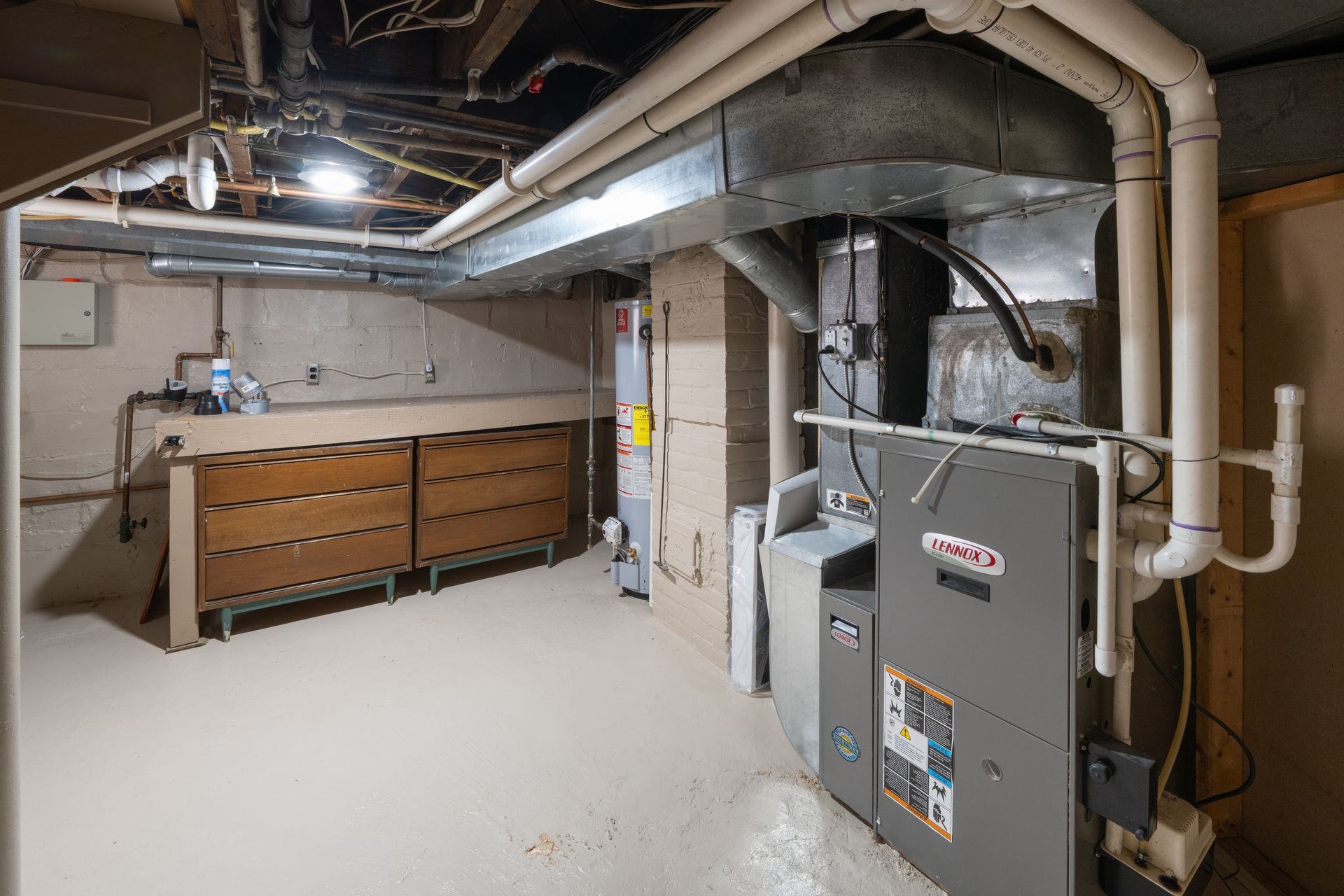
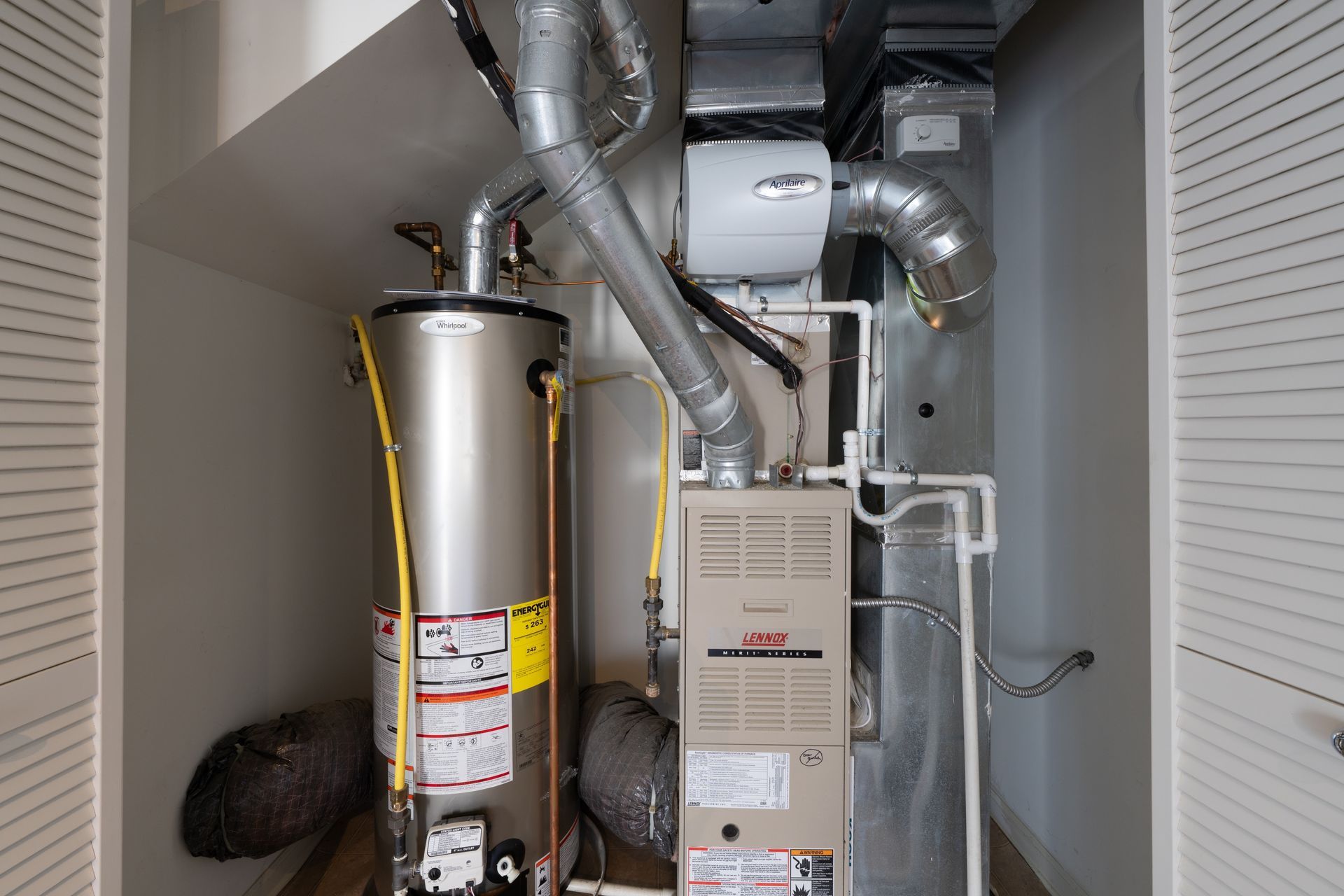
• Visual Inspection: Look around the base of the indoor unit to ensure no condensation lines were bumped or loosened while you were storing items back in your utility closet.
Establishing Proper Thermostat Habits
Your new heating equipment is designed to operate efficiently over long, steady cycles. Constantly manipulating the thermostat to force the system on and off ruins the efficiency you just paid for. Developing consistent habits early prevents excessive wear on the new components.
• Set and Forget: Pick a comfortable temperature and leave it alone for a few days so the new system can establish a proper operational rhythm.
• Avoid Extreme Swings: Do not drop the temperature by ten degrees when you leave for work, as forcing the furnace to recover that massive gap wastes more gas than just maintaining a steady state.
• Program Scheduling: Use your programmable thermostat to make gentle two to three degree adjustments based on your daily routine.
Common Mistakes That Damage New Furnaces
Many premature failures on brand new equipment are caused by innocent homeowner mistakes during the first few weeks. Treating your new high tech system the exact same way you treated your failing twenty year old unit is a recipe for disaster. Avoiding these bad habits keeps your warranty intact and your house warm.
• Blocking Vents: Closing supply registers in unused bedrooms forces the blower motor to work against extreme static pressure, causing rapid overheating and premature failure.
• Ignoring Air Filters: Leaving a cheap fiberglass filter in the system for months restricts airflow and causes the highly sensitive new limit switches to shut the furnace down.
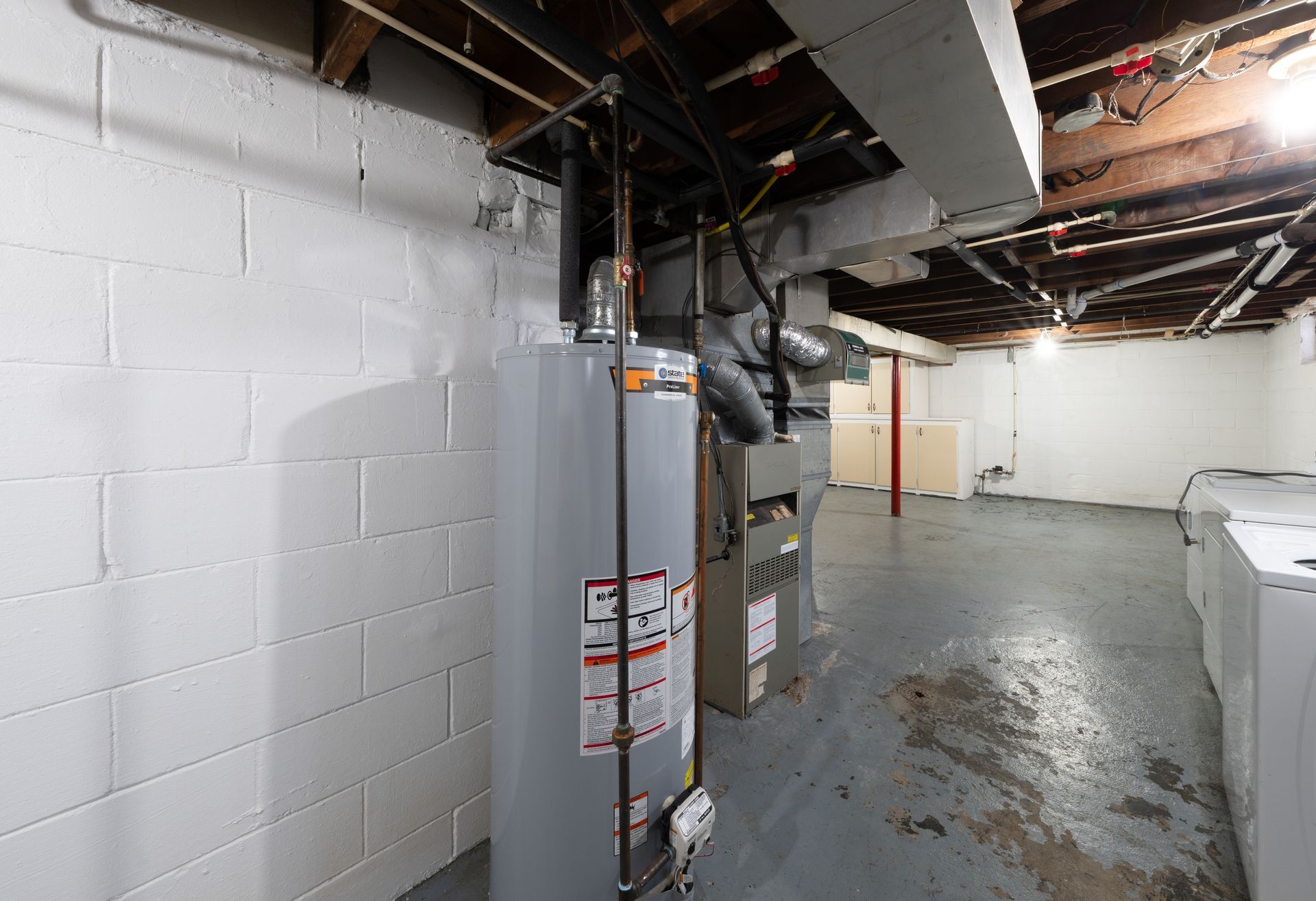
• Crowding the Unit: Stacking boxes, cleaning supplies, or holiday decorations directly against the metal cabinet blocks essential combustion air and creates a massive fire hazard.
► Using highly restrictive, ultra premium allergen filters without consulting your technician can suffocate the new blower motor and void your manufacturer warranty.
When to Call for Professional Help
While odd smells are normal on day one, certain symptoms demand immediate attention. If your new system exhibits mechanical distress, you need to use your labor warranty right away. Catching a calibration issue early prevents cascading failures.
• Strange Noises: Call for service immediately if you hear loud grinding, scraping, or banging sounds, which indicate a loose mechanical component.
• Short Cycling: If the furnace turns on, runs for three minutes, and shuts down repeatedly, a safety sensor is tripping and requires a technician to diagnose.
• Gas Odors: A persistent smell of raw natural gas around the equipment is never normal and requires you to shut off the system and call for emergency assistance.
Protect Your New Heating Investment
Knowing exactly what to expect after your upgrade allows you to enjoy the warmth without the stress of the unknown. Establishing solid maintenance habits right now guarantees your equipment will run efficiently for decades. If you experience any abnormal operation past the initial break in period,
contact our office to have a technician verify the system is performing correctly.
Share This Blog