Pre-Installation Checklist for a New Gas Furnace Upgrade This Year
Preparing for a new gas furnace upgrade this year requires more than just selecting a unit out of a catalog. Homeowners in Lipan know that proper planning prevents unexpected delays during the actual replacement process. The professionals at Brazos River Air Conditioning LLC have seen many jobs stall because the surrounding infrastructure was not ready for modern equipment. Taking a few proactive steps ensures the replacement process goes smoothly from start to finish.
Modern heating equipment operates with tighter safety tolerances than older models. Ensuring your home is prepared protects your investment and guarantees optimal efficiency. Following a structured checklist helps you avoid the common pitfalls that compromise system performance. Let us walk through what needs to happen before the technicians arrive at your door.
What We Cover in This Checklist:
- Preparing the Installation Area
- Checking Your Gas Lines and Venting
- Avoiding Common Pre-Installation Mistakes
Preparing the Installation Area
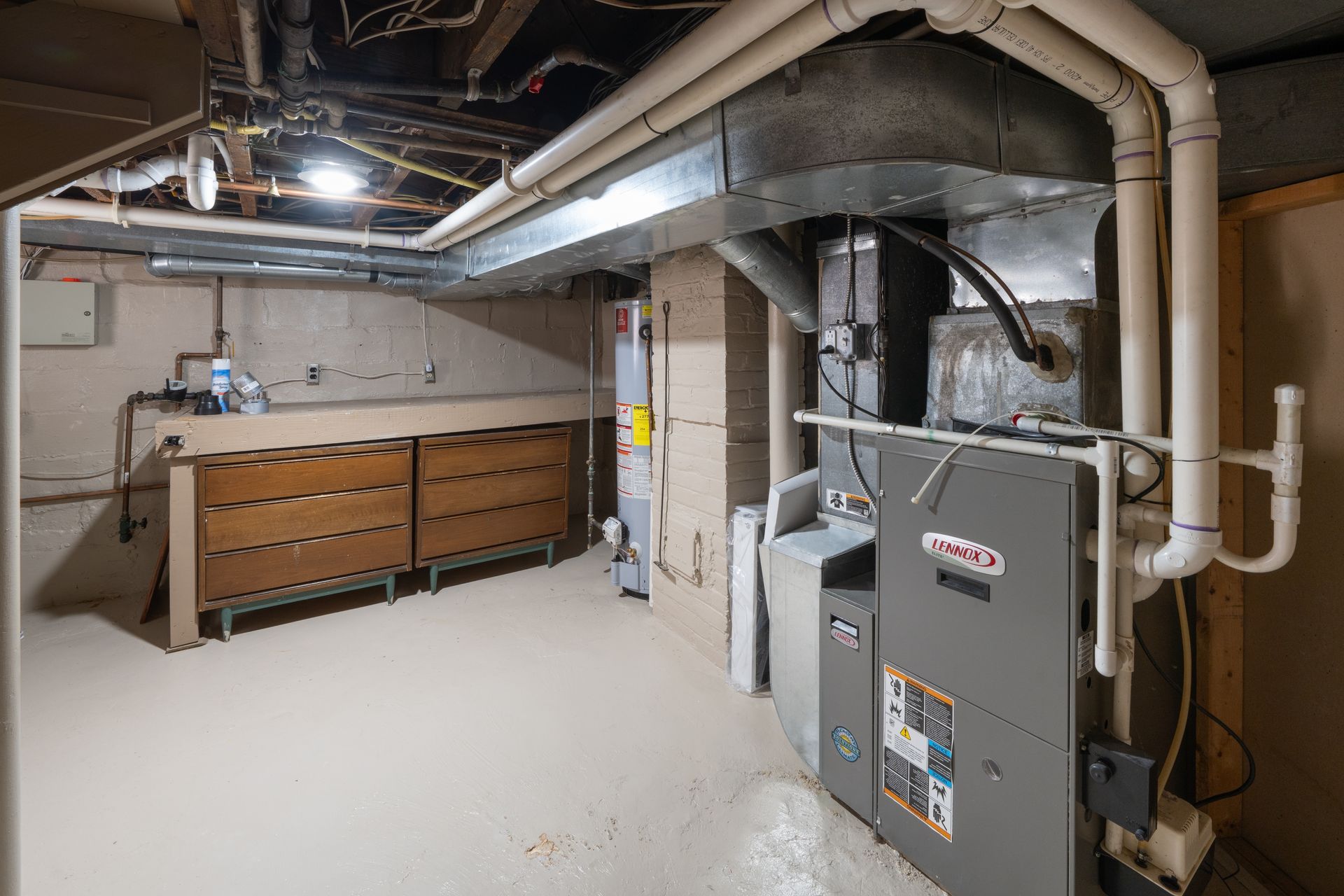
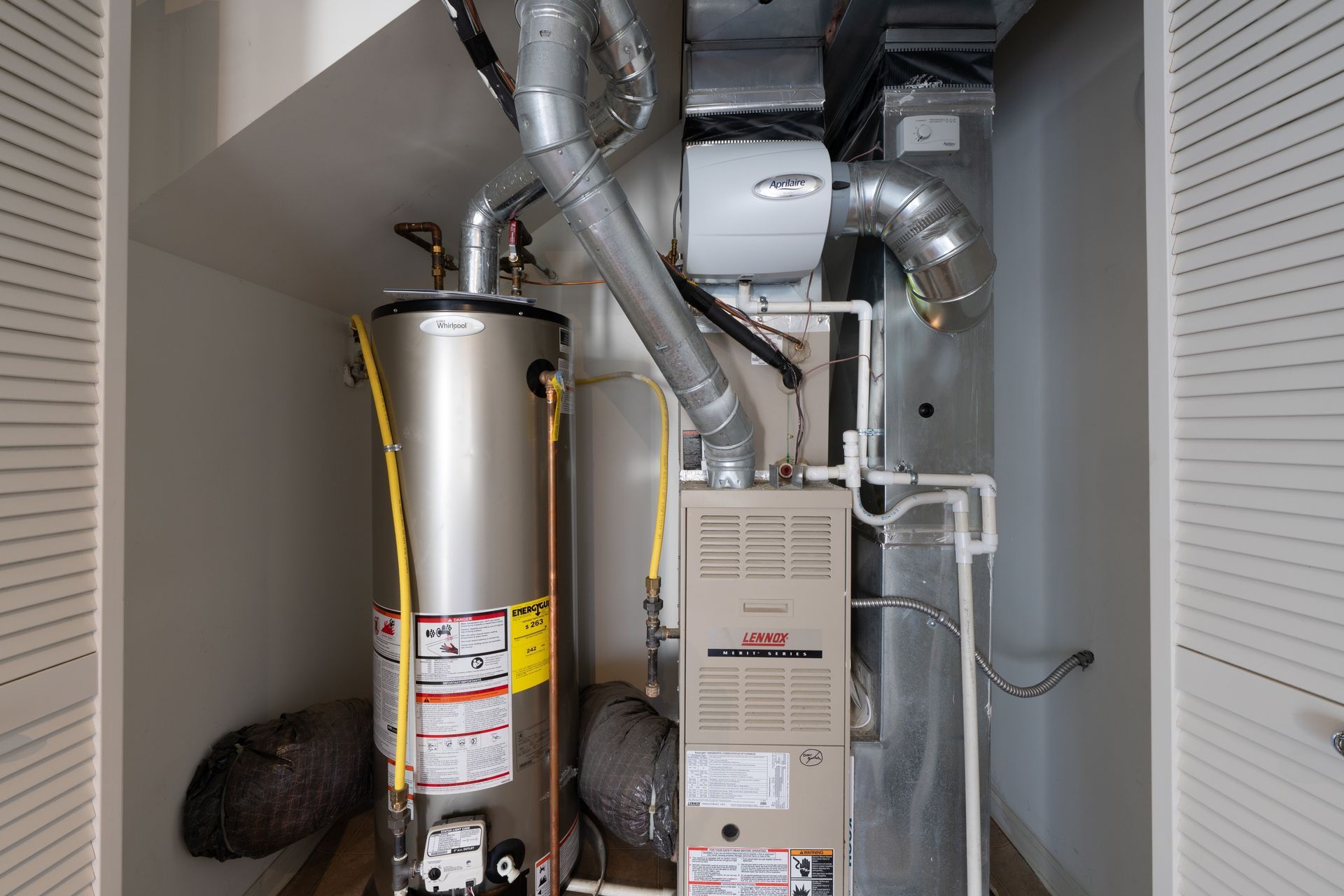
A successful furnace installation requires adequate space for the technicians to safely remove the old heavy equipment and maneuver the new unit into place. Cluttered utility closets or blocked attic access points create immediate safety hazards. Taking time to clear the surrounding area allows the installation crew to focus entirely on the technical work.
• Access Clearance: Remove all stored boxes, cleaning supplies, and debris within a three foot radius of the indoor unit.
• Pathway Preparation: Clear a direct path from your front door to the installation site to prevent accidental damage to your walls or furniture.
• Lighting Checks: Ensure the utility room or attic space has working light bulbs so the technicians can clearly see the intricate wiring connections.
Checking Your Gas Lines and Venting
Upgrading to a newer heating system often means dealing with different fuel pressure requirements and exhaust specifications. Older homes might have gas lines that are too small to supply the necessary fuel volume for a high capacity unit. Evaluating these connections early prevents code violations and serious safety risks.
How long does it take to install a new furnace?
A standard replacement typically takes between four to eight hours. However, this timeline extends significantly if the existing gas lines or exhaust flues need to be completely rebuilt to meet modern safety codes.
• Fuel Supply Sizing: Verify that your existing black iron gas pipe is wide enough to deliver the correct volume of natural gas or propane to the new burners.
• Exhaust Flue Inspection: Check the metal vent pipe going through your roof for signs of heavy rust or corrosion that indicate a failing draft.
• Electrical Upgrades: Confirm that your circuit breaker panel can handle the specific amperage required by the new blower motor.
Avoiding Common Pre-Installation Mistakes
Many homeowners unintentionally limit the lifespan of their new equipment by skipping crucial preparatory steps. A shiny new furnace cannot fix underlying issues with your air distribution network. Proper preparation means looking at the entire home as an interconnected system.
• Ignoring Duct Conditions: Attaching a powerful new blower to leaky air ducts forces the unit to overwork and wastes expensive heated air.
• Reusing Old Thermostats: Keeping an outdated mercury thermostat prevents a modern multi stage furnace from operating at its peak efficiency.
• Skipping Air Quality Upgrades: Failing to plan for proper air filters and filter media during the initial setup leaves your new indoor coil vulnerable to heavy dust accumulation.
► A high efficiency furnace produces acidic condensation that destroys standard metal flues if not properly upgraded with PVC venting.
Secure Your Winter Comfort Today
You now have a clear understanding of what it takes to prepare your property for a major heating upgrade. Completing this checklist ensures your installation day goes perfectly without any stressful surprises.
Reach out to our team to schedule your detailed site evaluation and take the first step toward reliable warmth.
Share This Blog