5 Signs Your Old Texas Furnace Won't Survive Another Winter
Waiting for the first freezing night in Bluff Dale to test your heating system is a risky gamble. The experts at Brazos River Air Conditioning LLC know that aging gas furnaces give off distinct warning signs long before they break down completely. Catching these failure modes early saves you from emergency service fees and shivering nights.
An old furnace does not just stop working overnight without leaving clues. Understanding what to look for allows you to plan your upgrade on your own terms. Paying attention to the physical operation of your unit is the best way to determine if it has one more season left in it.
Inside This Guide:
- Tip #1: Yellow Burner Flames
- Tip #2: Strange Rattling Noises
- Tip #3: Constant Thermostat Adjustments
- Tip #4: Rust Around the Flue
- Tip #5: Rising Heating Bills
- Frequently Asked Questions
Tip #1: Yellow Burner Flames Instead of Blue
The color of the flame inside your gas furnace tells you exactly how efficiently the fuel is burning. A healthy gas furnace always produces a sharp blue flame with a very small yellow tip. When the fuel mixes perfectly with oxygen, it burns clean and hot.
• Combustion Issues: A lazy yellow or orange flame indicates incomplete combustion, meaning the gas is not burning correctly.
• Carbon Monoxide Risk: Incomplete combustion produces excessive carbon monoxide, which is a major safety hazard for your family.
• Burner Cleaning: This color change often means the burners are clogged with soot and need professional attention immediately.
Tip #2: Strange Rattling or Popping Noises
Furnaces make a normal whooshing sound when the blower motor kicks on. However, loud banging, rattling, or popping noises are clear indicators of mechanical or structural stress. As the metal components age, they lose their ability to handle extreme temperature changes.
• Expanding Metal: A loud pop when the blower turns off often points to a cracked heat exchanger that is flexing as it cools down.
• Blower Motor Wear: Squealing or grinding noises usually mean the bearings in the blower motor are failing.
• Professional Inspection: Any abnormal noise warrants a call for furnace maintenance and repair before the stressed component shatters.
Tip #3: Constant Thermostat Adjustments
If you find yourself constantly bumping up the temperature just to feel warm, your heating system is losing its capacity. Older units struggle to push conditioned air evenly throughout the house. This often results in isolated hot and cold spots across different rooms.
• Airflow Decline: A failing blower motor lacks the power to push air all the way to the distant rooms of your home.
• Short Cycling: The unit might turn off before the entire house reaches the set temperature, forcing you to manually adjust the thermostat.
• Calibration Checks: Sometimes the issue is a faulty thermostat sensor that fails to read the room temperature accurately.
Tip #4: Rust Flakes Around the Exhaust Flue
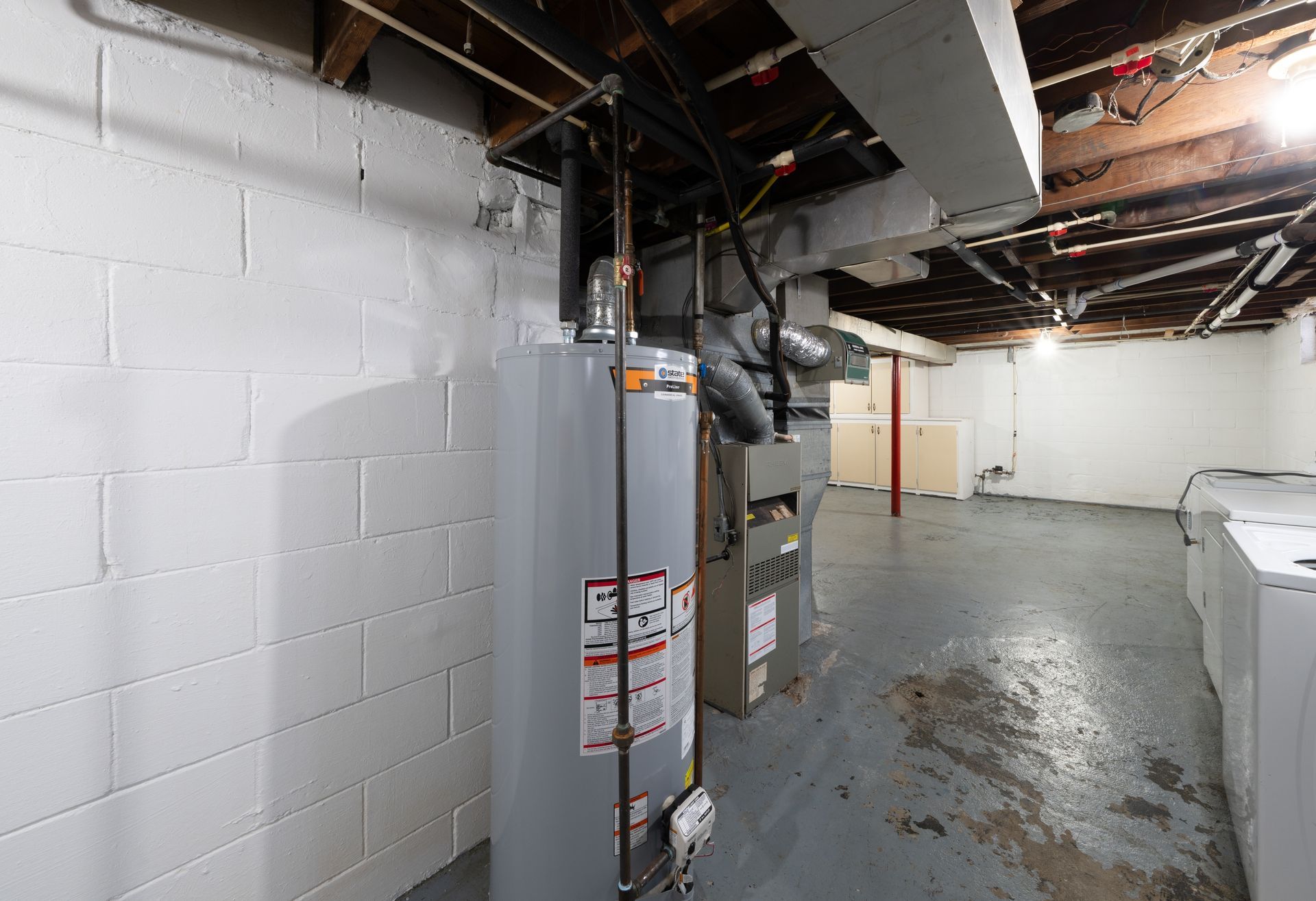
A visual inspection of your furnace cabinet can reveal hidden dangers. The exhaust flue is designed to carry toxic combustion gases safely out of your home. When you spot orange rust flakes falling around this pipe or the base of the unit, you have a serious moisture problem.
• Acidic Condensation: Older standard efficiency furnaces can trap moisture in the flue, which creates an acidic condensation that eats through the metal.
• Ventilation Failure: A rusted flue pipe can leak carbon monoxide directly into your utility closet or attic.
• Immediate Action: Rust on a gas appliance is never normal and requires immediate evaluation by a licensed professional.
Tip #5: Rising Heating Bills With No Usage Change
Your utility bills provide a historical record of your equipment's performance. If your heating costs spike dramatically compared to the same month last year, your furnace is burning more fuel to produce the same amount of heat. Efficiency drops sharply in the final years of a unit's lifespan.
• Fuel Waste: An aging unit loses heat through worn insulation and inefficient burner operation.
• Longer Run Times: The system has to run twice as long to satisfy the thermostat, doubling your gas or electric usage.
• Replacement Math: When the cost of monthly operation exceeds the payment on a new furnace installation, it is time to upgrade.
Frequently Asked Questions
How long do gas furnaces last in Texas?
Most gas furnaces in our Texas climate last between 15 and 20 years with proper upkeep. Because our winters are relatively short, the heat exchanger does not endure the same relentless daily stress as units up north. However, the blower motor often wears out faster here because it is also used year round to circulate air conditioning.
What happens if my heat exchanger is cracked?
A cracked heat exchanger breaks the seal between the toxic combustion gases and the breathable air circulating through your vents. When the blower fan kicks on, it can pull carbon monoxide through the crack and push it directly into your living spaces. By law, a technician must shut down and red tag a furnace if a crack is confirmed.
Is an 80 percent AFUE furnace enough for Weatherford winters?
An 80 percent AFUE furnace is incredibly common and generally sufficient for our regional winter climate. Since our freezing temperatures come in short bursts rather than sustained months of snow, the payback period for investing in an ultra high efficiency 96 percent model is often too long for the average homeowner to justify. Upgrading from a failing unit to a modern 80 percent model will still provide a noticeable drop in gas consumption.
Make the Right Call for Your Winter Comfort
You now have the knowledge to spot a failing heating unit before it leaves you in the cold. Taking action early means you control the timeline and avoid the rush of emergency winter service calls. Contact our team to schedule an honest evaluation of your heating equipment and secure your peace of mind today.
Share This Blog