Weatherford ’s Top Kitchen Ventilation Upgrades for Festive Cooking Season
Cooking heavy holiday meals quickly overwhelms the basic exhaust fans installed in most residential homes. Brazos River Air Conditioning frequently sees local kitchens struggling to clear thick smoke and airborne grease during large family gatherings. Relying on a standard recirculating hood leaves your indoor air filled with contaminants and deposits a sticky residue across your expensive cabinets. Upgrading your Kitchen Ventilation setup removes these physical hazards and protects your property.
Proper exhaust systems actually pull the heavy particulate matter completely out of the building. Understanding the mechanical differences between cheap builder grade fans and professional ventilation saves you from dealing with persistent cooking odors. A targeted upgrade ensures your cooking environment stays clean and highly functional.
A look at proper exhaust mechanics
- Exhaust Mechanics: Moving air outside the house
- Grease Accumulation: Understanding the fire risk
- Make Up Air: Replacing the exhausted air
- Frequently Asked Questions
Kitchen Ventilation And Moving Air Outside
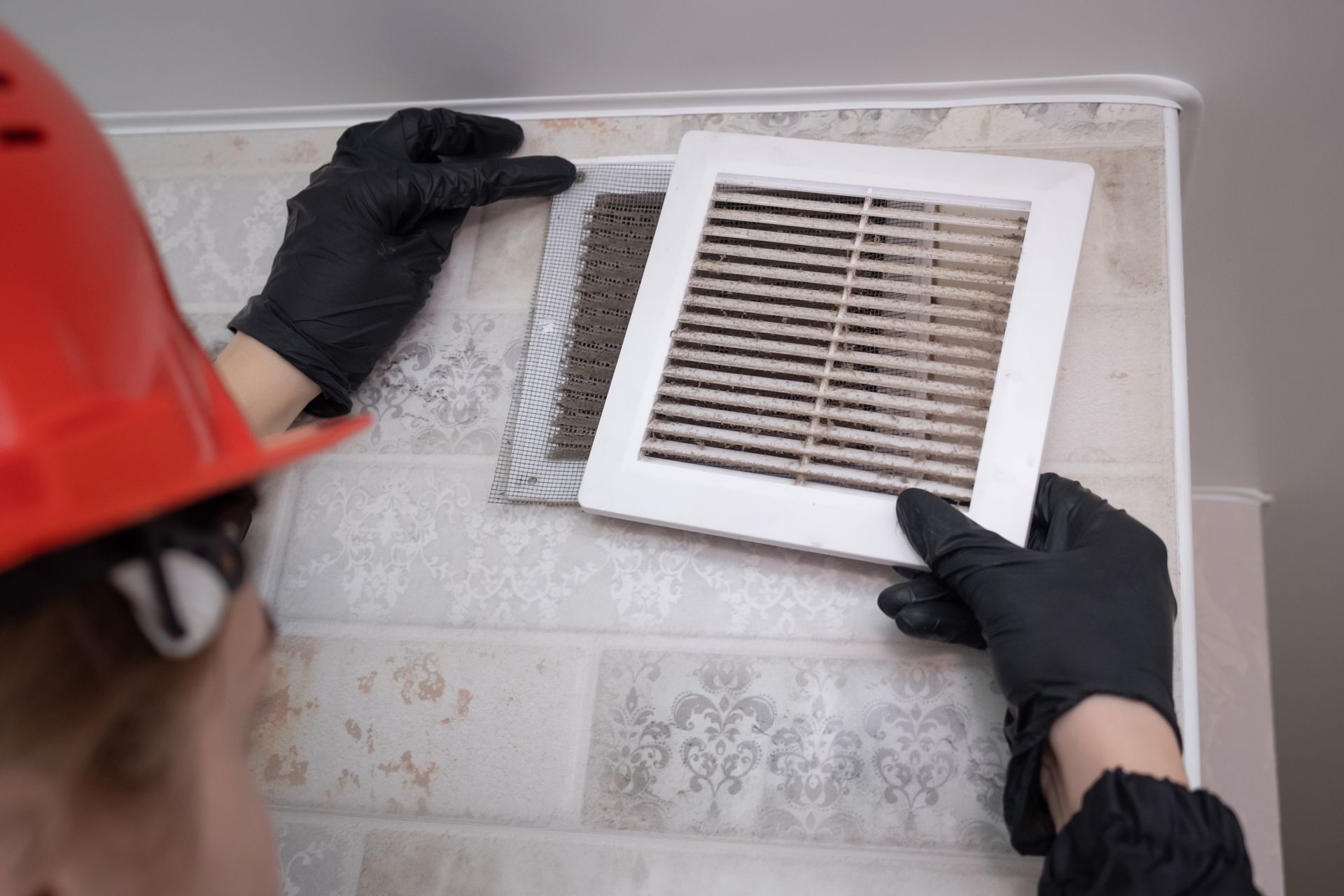
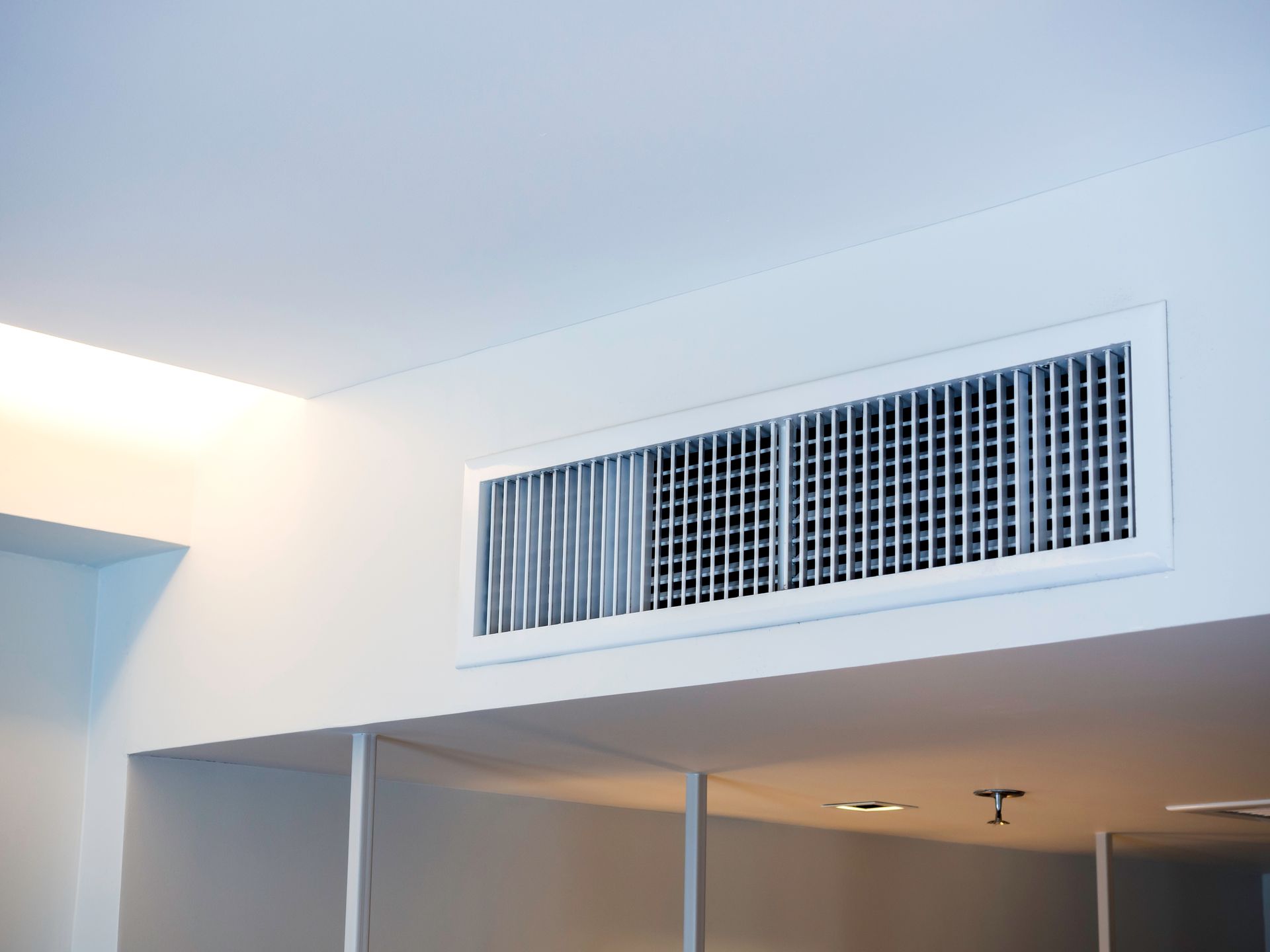
Many homeowners assume the loud fan humming above their stove is actively removing cooking smoke from the room. The trade truth is that most standard residential hoods simply suck the smoke through a thin metal mesh and blow it right back into the kitchen. These ductless setups do absolutely nothing to improve your indoor air quality. True ventilation requires solid metal ductwork running from the hood directly to the exterior of the house to physically eject the contaminated air. We evaluate the existing layout in Weatherford homes to determine the most direct and efficient path for this rigid exhaust ducting.
Grease Accumulation And The Real Fire Risk
People trying to cook large holiday feasts often ask why is my kitchen exhaust fan not pulling smoke. The most common physical cause is a completely saturated grease trap or a severely undersized blower motor that lacks the static pressure to move heavy air. When grease vapor gets sucked into an improperly sized duct it cools down and sticks to the metal walls before it can reach the exterior vent. Over time this thick layer of highly flammable grease creates a massive fire hazard right above your cooking surface. Professional installations utilize smooth metal ducting and properly sized blower motors to ensure the heavy grease vapor is forcefully pushed entirely out of the building.
Make Up Air And Replacing Exhausted Air
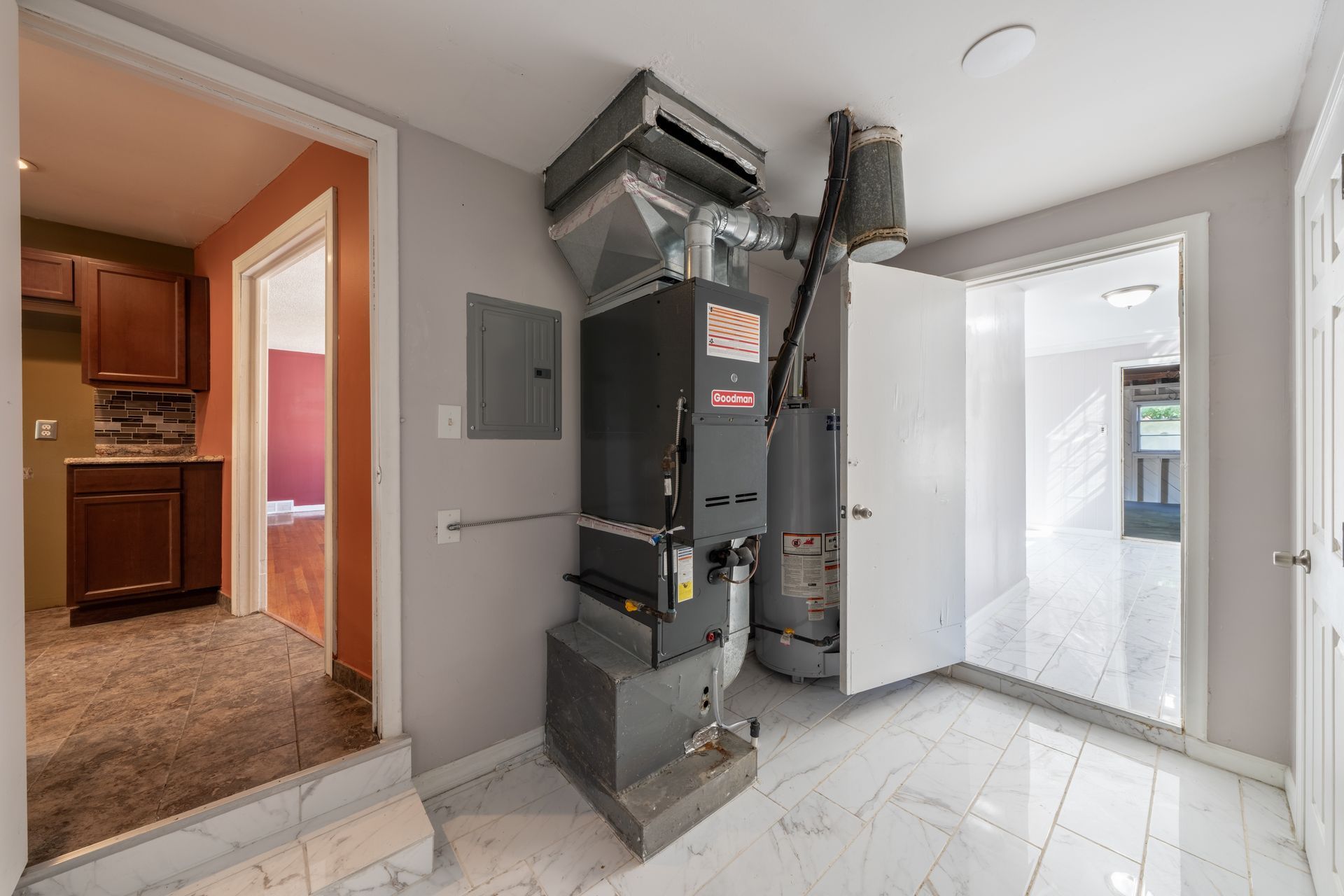
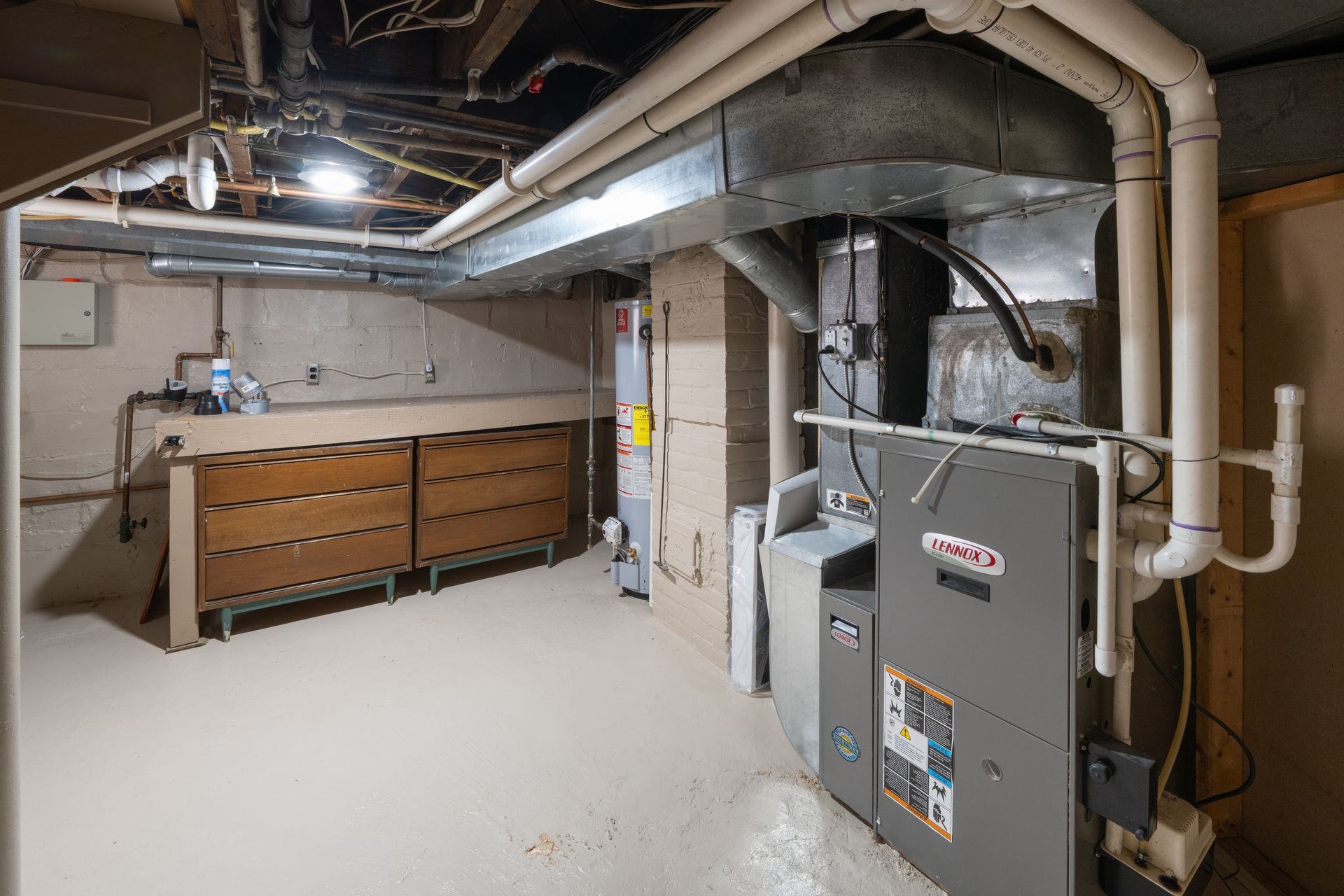
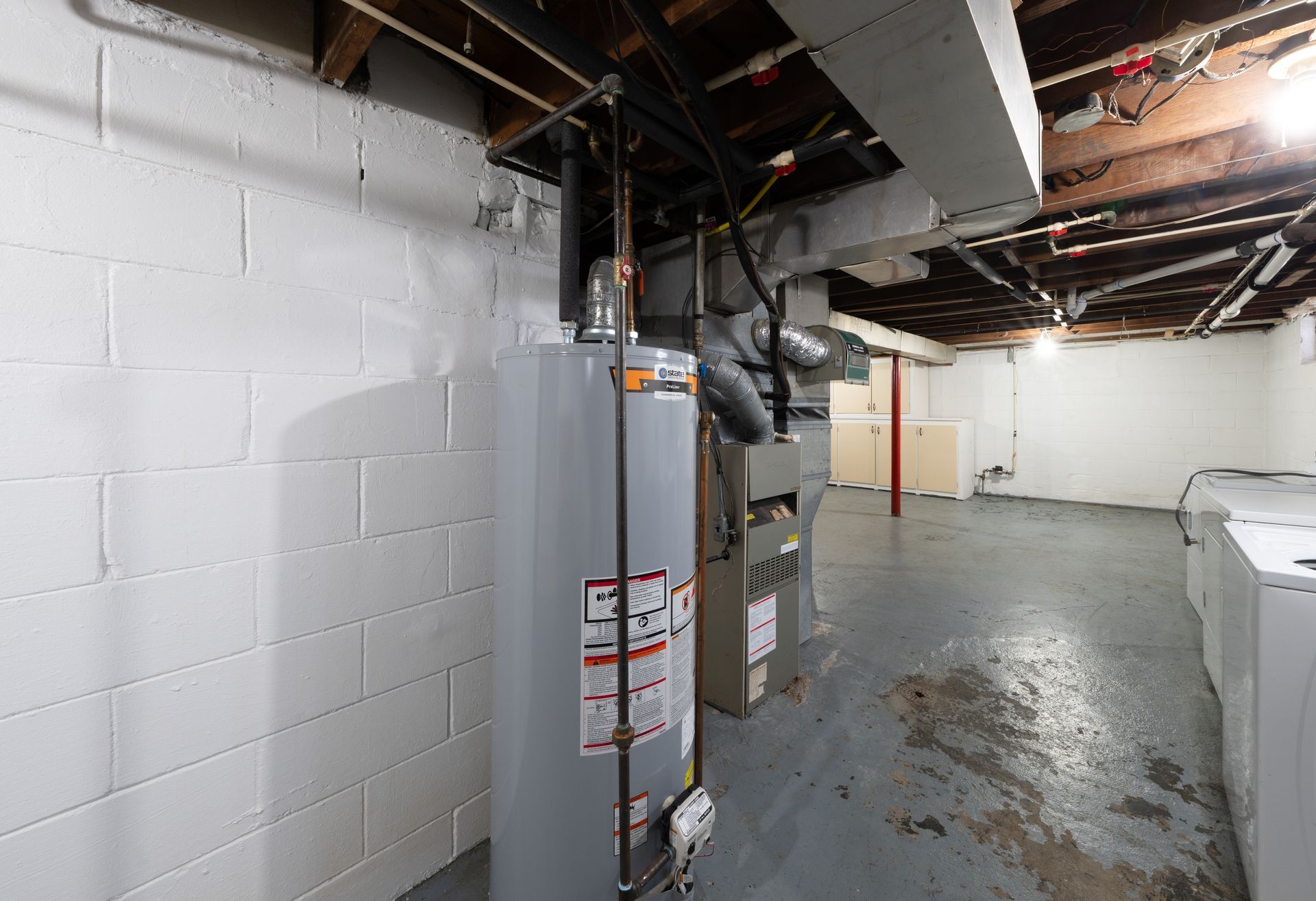
Pushing large volumes of air out of your kitchen creates a physical vacuum inside the house. If your home is tightly sealed the exhaust fan will actually pull outside air backward through your chimney or water heater flue to replace the missing air. This dangerous backdrafting pulls harmful carbon monoxide directly into your living space. We prevent this dangerous pressure imbalance by integrating dedicated Make-up Air Ventilation systems alongside your high powered kitchen exhaust. This ensures a safe and balanced flow of clean air enters the home exactly when the exhaust fan turns on.
Frequently Asked Questions
Do I need a special vent cap on the roof?
Your exterior exhaust termination requires a specialized weather cap featuring a built in damper to prevent cold air and birds from entering the ductwork.
How often should the metal filters be cleaned?
You must remove the metal mesh baffles and wash them in hot soapy water every single month to prevent extreme grease accumulation and restricted airflow.
Securing A Clean Cooking Environment
Relying on cheap recirculating fans leaves your home vulnerable to lingering odors and dangerous grease fires. Upgrading to a properly ducted exhaust system keeps your indoor air pristine during the busiest cooking seasons. Reach out to our local team today to plan your ventilation upgrade.
Share This Blog